
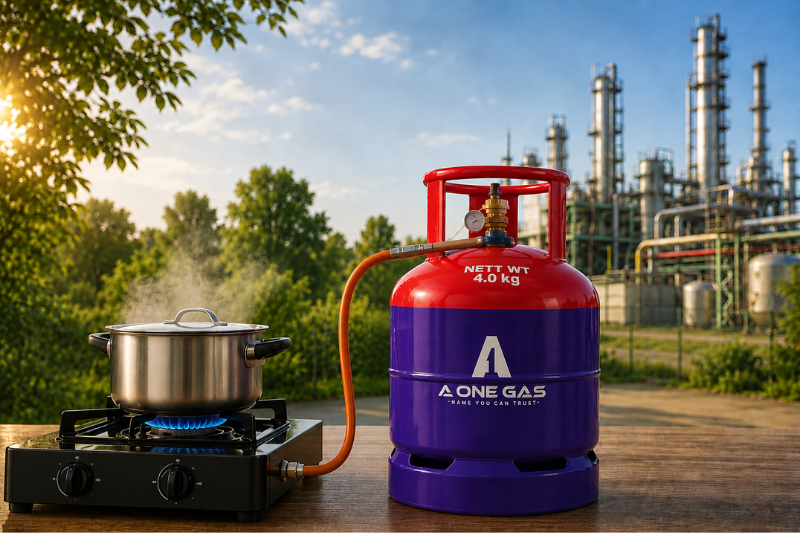
Liquefied Petroleum Gas (LPG) is gaining significance as a fuel choice in the quest for cleaner energy worldwide. LPG is used in household, industrial, transport, and commercial applications and has several environmental benefits over other traditional fuels such as coal, wood, and diesel. Awareness of climate change and air pollution is increasing, and LPG is contributing to a cleaner, greener future.
Why is LPG a cleaner fuel?
LPG is a low-carbon fuel that can burn more efficiently than many traditional energy sources. It emits less greenhouse gas and much less harmful pollution during combustion. The cleaner-burning nature of LPG makes it an attractive choice for homes and businesses seeking to minimise environmental impact.
The expansion of the LPG manufacturing industry has also helped increase access to cleaner energy. The efficient delivery of fuel while maintaining environmental standards is ensured by modern production and distribution systems.
Reduced Air Pollution
The single most important environmental advantage of LPG is improved air quality. LPG produces less smoke, soot or particulate matter than coal or firewood. Such pollutants cause respiratory issues and pollute the environment.
LPG can be used to reduce indoor and outdoor air pollution in both urban and rural areas. This is particularly vital in homes where traditional solid fuels are still being used for cooking and heating.
Lower Carbon Emissions
It's important to reduce carbon emissions to fight global warming. LPG is less polluting than coal and many other fossil fuels. High energy efficiency means less energy or fuel is needed to achieve the same output of heat or energy.
Numerous organisations involved in the supply of LPG are prioritising access to cleaner LPG fuels to improve environmental sustainability and energy efficiency.
Supporting Sustainable Transportation
LPG can be used as a cooking fuel, an industrial fuel, and an alternative fuel for vehicles. Auto LPG produces lower CO, NOx, and PM emissions than conventional fuels.
With the growing number of vehicles with this technology, the auto LPG dealership network is actively promoting cleaner modes of transportation to more vehicle owners. This helps to improve air quality and minimise environmental pressure in urban areas.
Conserving Natural Resources
LPG can also be used to reduce reliance on biomass fuels such as firewood. This helps to keep forests and natural ecosystems from being over-exploited. LPG indirectly contributes to biodiversity conservation and the sustainable use of resources by reducing demand for wood-based fuels.
Conclusion
LPG remains vital to the shift to clean energy. It is also an effective solution for households, industries, and the transportation sector due to lower emissions, increased efficiency, and improved air quality. Although the use of cleaner energy is increasing, LPG remains a valuable resource in making a greener future possible.
A One Gas recognises the need for organisations and consumers to have access to cleaner fuel solutions and the potential of LPG for future generations.


 Enquire Now
 Whats App