
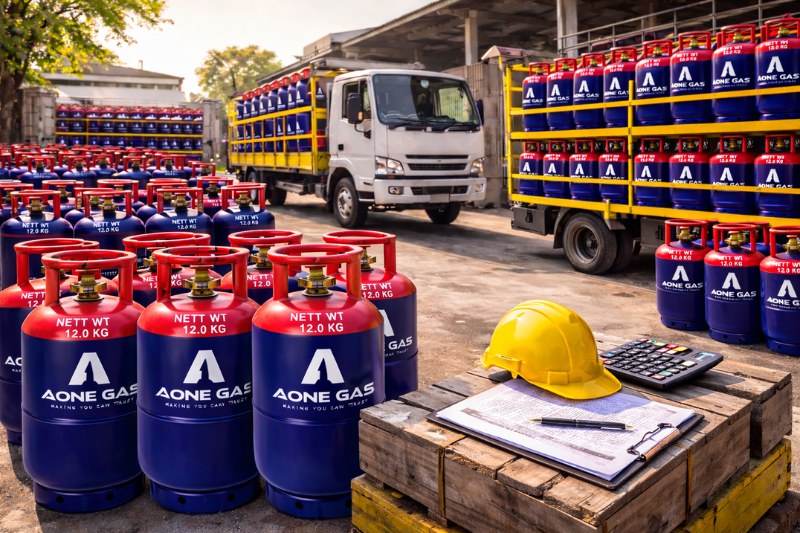
In India, an LPG distribution business would be a good venture. Liquefied Petroleum Gas finds wide application at homes, restaurants, hotels and industries and hence, the level of demand remains consistent during the year. Nonetheless, an LPG gas agency dealership in India is a business that is to be planned and taken care of in order to understand the industry. However, the practical elements, which determine the long-term success of the business, should also be considered before venturing into this business.
Knowing the Market Demand
The initial step before investing in an LPG dealership is to research the demand in your target location. In urban settings that have restaurants, hotels, and food companies, a constant supply of commercial LPG cylinders is usually needed. Industry estimates indicate that India uses millions of LPG cylinders per month for either domestic or commercial purposes.
Investment and Infrastructure Requirement
An LPG dealership requires a high initial capital outlay. The cost includes the land or the storage space, the inventory of cylinders, the transportation vehicles, the safety equipment and the licensing fees. The amount of investment required will be determined by the magnitude of the business and the location of the dealership.
Another requirement is storage infrastructure. The storage of LPG cylinders should be laid in highly-ventilated areas with high security measures. The state policies demand that storage, handling, and transportation safety regulations be adhered to by the dealers.
Licensing and Compliance with Regulations
In India, an LPG dealership is highly regulated by the government. Before commencing business, the right licenses and approvals should be acquired by the businesses through the authorities concerned. This entails safety approvals, petroleum and explosive safety standards and storage approval.
The knowledge of the legal framework of an LPG gas agency dealership saves punishment or running of the business in future. Proper training of the staff on safe handling procedures and emergency response is also a necessity.
Observing the Commercial LPG Gas Price Trends
The other significant aspect is to know the price changes in the commercial LPG gas price. The prices may vary as a result of the crude oil trend in the world, government policies, and the cost of the supply chain.
To be able to control inventory and pricing strategies, dealership owners should keep pace with the changes in prices. Tracking the prices also allows keeping the prices competitive when it comes to businesses that rely on LPG to run their day-to-day activities.
Selection of Dependable Supply Partners
Stable supply is a major factor in the success of an LPG dealership. The use of reliable commercial LPG suppliers is also important so that cylinders are available when customers require them. Delays in supply may influence the reputation and trustworthiness of the business.
Reliable suppliers are also safety-conscious and supply high-quality cylinders, which is important for ensuring smooth running and customer confidence.
Conclusion
An LPG dealership may be a reliable business venture, though it has to be thoroughly planned, regulated, and highly equipped in terms of relationships with suppliers. Market needs, infrastructure, price, and safety awareness are essential in the development of a sustainable LPG distribution company.
To the people or companies seeking opportunities in the LPG industry, other companies such as A One Gas exist in the commercial LPG supply arena and form part of the larger network that promotes the distribution of LPG in India.


 Enquire Now
 Whats App