
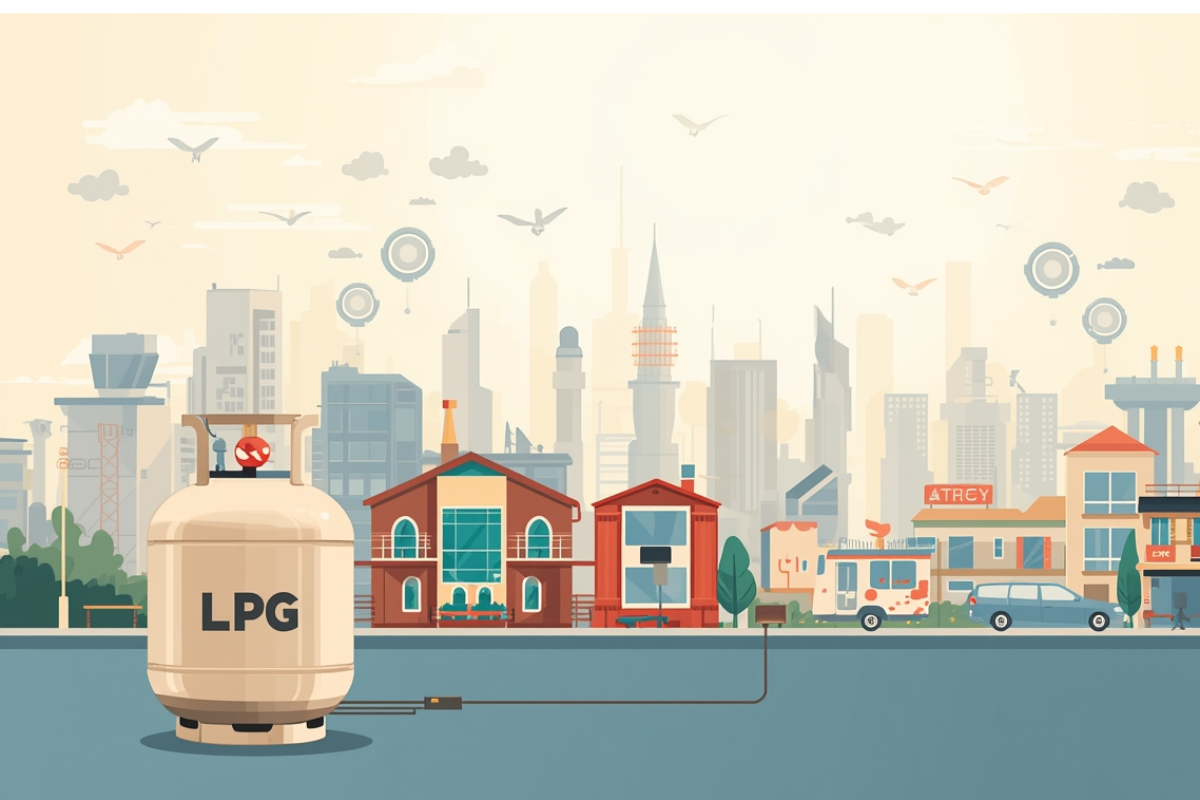
Liquefied Petroleum Gas (LPG) has been a substantial constituent of the Indian energy system. With the transition of the country towards clean energy and green developments, LPG still has a significant role in homes, transportation, as well as industries. The Indian production, distribution, and consumption of LPG will change significantly in the next decade (2025-2035).
Increasing Trends in Demand
The growth in LPG consumption in India is predicted to increase with the growth in population, the growing industries, and the emphasis that the government has placed on cleaner cooking fuels. The manufacturing, food processing, textiles and metalwork industries are increasingly using LPG as it is economical and does not have a lot of emissions. This implies that the demand of LPG to operate the industries and the strong networks of the industrial LPG suppliers will further grow.
LPG is the most popular clean cooking fuel in the domestic front. As urban migration and the entry of more people into the higher income levels, the demand of LPG gas to be used at home in India will rise to even greater heights.
Shifting to a Cleaner Future
The government is urging industries to abandon coal and diesel to cleaner forms. LPG is coming in as a transitional fuel that will help India in the transition towards low-carbon energy. Bio-LPG, which is produced out of organic waste, will continue to pick up in the next ten years. This will be able to cut down on carbon footprints without causing any changes in the current distribution systems.
In the transport industry, LPG auto gas is slowly replacing commercial fleets with cost-effective ones. The demand of the auto-LPG refuelling networks can increase in cities that insist on the lower level of emissions.
Difficulties in the Years Ahead
The LPG industry has significant threats even though it has had advantages. The global crude oil prices can impact on the cost of living and cost of production. Another significant challenge is in infrastructure growth. There are still many rural and remote regions with no powerful supply chains and delivery cannot be made regularly.
Proper handling and the safety standards are also big concerns. With the increased use of LPG industrial cylinder and other commercial equipment, there will be the need to have better training and closer monitoring.
Opportunities from 2025 to 2035
Innovation has a lot of prospects in the next decade. LPG will be used in a safer and more transparent way with the help of digital tracking, automated cylinder management, and smart metering. Expansion of commercial kitchens, cloud kitchens and industrial manufacturing will continue to increase the LPG ecosystem.
Another opportunity is also in the upgrading bottling plant, increase in bulk storage space and modernization of logistics to meet the increasing national demand. LPG is going to be a core energy component, as India strives at a cleaner fuel.
Conclusion
In the future where India is considering a more sustainable future, LPG will remain important in serving industries, households, and transport segments. Improved technology, cleaner substitutes and greater supply systems will determine the coming decade. Companies such as A One Gas play their part in this changing picture by supporting stable accessibility and contributing to the increased energy needs of the country.


 Enquire Now
 Whats App